Fundamental Plumbing Services: How to Decide On the Appropriate Plumber for Your Home
Selecting the ideal plumber for your home can be a challenging task. Homeowners must consider various factors, including qualifications, experience, and pricing. Many overlook essential steps, which can lead to expensive mistakes. Understanding common plumbing issues and knowing what to look for in a plumber connected information is crucial. What are the key attributes that truly make a plumber trustworthy? Exploring these elements can greatly influence ongoing upkeep and satisfaction.
Widespread Plumbing Troubles to Watch Out For
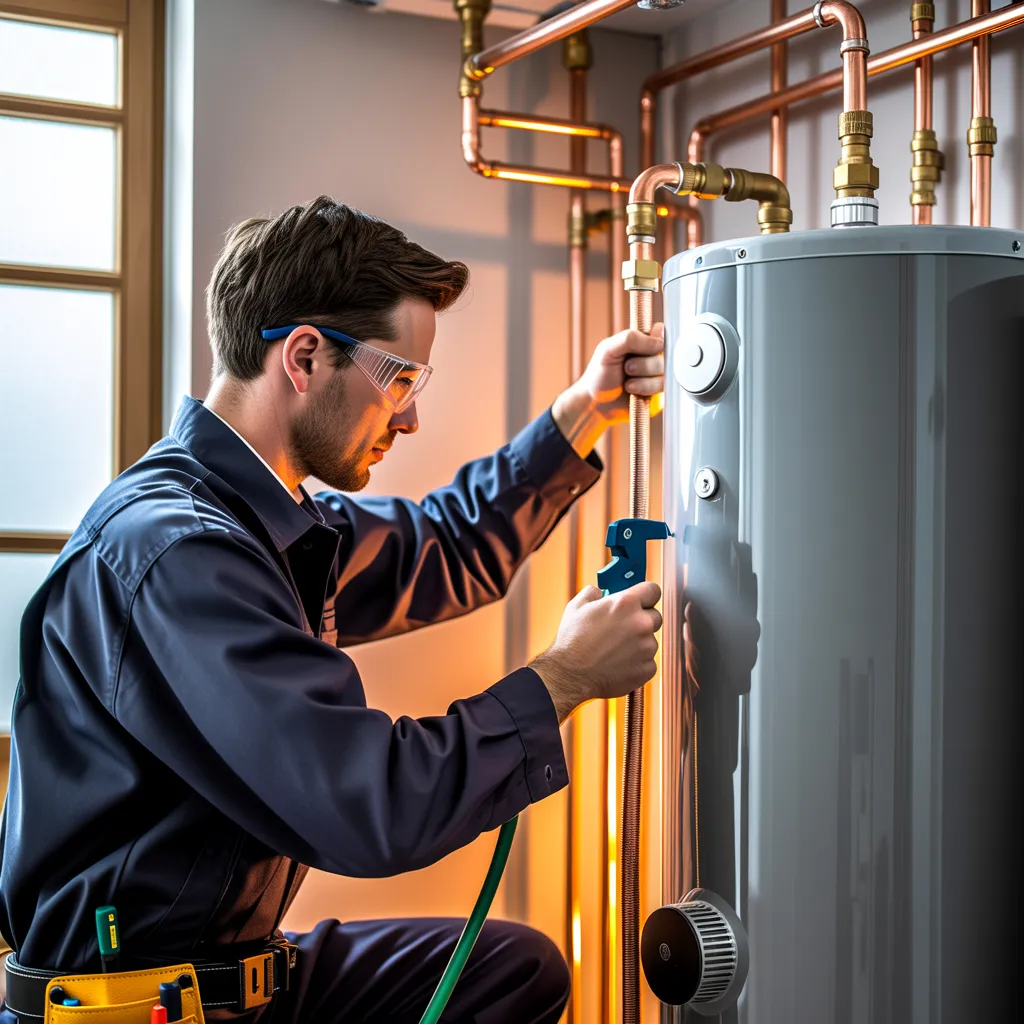
Many homeowners face a variety of plumbing problems that can disrupt daily life. Typical issues include leaky faucets, which not only waste water but also lead to higher utility bills. Clogged drains are another frequent issue, often caused by the buildup of grease, hair, or foreign objects. These clogs can cause slow drainage or even overflow. Additionally, running toilets squander significant amounts of water, often due to faulty flappers or fill valves. Pipe leaks can occur in both visible and hidden locations, potentially causing extensive water destruction if left unaddressed. Water heater issues, such as inconsistent temperatures or leaks, can impact comfort and convenience. Finally, low water pressure may suggest a problem with the plumbing system, affecting the overall functionality of fixtures throughout the home. Knowledge of these common plumbing issues can help homeowners implement preventive measures to maintain their systems effectively.
Important Characteristics to Evaluate in Your Plumber
What key qualifications should homeowners examine when selecting a plumber? First and foremost, proper certification is essential. A certified plumber has satisfied local regulations and demonstrates a level of professionalism and expertise. Homeowners should also seek plumbers who carry adequate protection, encompassing liability coverage and workers' compensation, to prevent potential damages or injuries during the work.
Additionally, accreditation from respected professional organizations can reveal a plumber's commitment to ongoing professional development and adherence to industry standards. Homeowners ought to select those with specialized training in specific plumbing areas, including domestic or industrial plumbing.
Additionally, a detailed knowledge of regional codes and standards is important to guarantee conformity during renovation work or installation activities. In conclusion, proficient dialogue skills are essential, enabling the tradesperson to explain problems and answers effectively, strengthening confidence and rapport between the homeowner and the service provider.
Analyzing a Plumber's Experience and Professional Image
When evaluating a plumber's credentials and track record, the amount of time in practice functions as an important indicator of reliability and expertise. In addition, industry certifications can illustrate a plumber's devotion to industry best practices and lifelong learning. As a whole, these factors present valuable insight into the standard of work one can receive.
Span of Years of Operations
A plumbing professional's tenure can significantly affect their credibility and expertise locally. Veteran plumbers typically showcase a solid history that highlights their proficiency in resolving multiple plumbing challenges with excellence. Time spent in the profession commonly reflects a dedication to superior workmanship, since these skilled workers have worked through problems and established strong connections throughout their careers. Residents ought to evaluate how long a plumber has been active, as this may provide clarity on their dependability and client happiness. Client feedback and reviews from previous clients can better clarify the plumber's position in the community. At the end of the day, enlisting a veteran plumber can deliver confidence, guaranteeing the work is executed competently and professionally.
Occupational Certifications Possessed
How can industry certifications enhance a plumber's reputation? Qualifications serve as proof of a plumber's technical abilities, showing their commitment to professionalism and adherence to industry standards. Recognized organizations, such as the Plumbing-Heating-Cooling Contractors Association (PHCC) and the National Institute for Certification in Engineering Technologies (NICET), provide credentials that reflect a plumber's proficiency in distinct fields, including maintenance and installation practices. These certifications frequently require ongoing education, ensuring plumbers stay updated on the latest technologies and regulations. A plumber carrying such certifications is likely to be dependable, fostering in homeowners. Hence, when picking a plumber, verifying their certifications can provide valuable insight into their qualifications and reputation in the industry.
The Reasons You Should Obtain Different Bids From Plumbers
Collecting multiple quotes from plumbing professionals is crucial for making an informed decision, as it allows homeowners to compare pricing, services, and expertise. By obtaining quotes from various professionals, homeowners can determine the typical price for specific plumbing tasks, helping them avoid overpaying. Each plumber may offer different service options, including warranties, follow-up services, or emergency support, which can significantly affect long-term satisfaction.
In addition, seeking multiple quotes allows homeowners to assess the background and qualifications of each plumbing expert. A number of opinions can illuminate on the excellence of service and workmanship, enabling a more thorough evaluation. Furthermore, this tactic stimulates competition among plumbers, often resulting in better pricing or supplementary offerings. Ultimately, allocating time to obtain multiple quotes equips homeowners with the vital information to determine a trustworthy plumber who fulfills their specifications and budget effectively.
Key Inquiries to Ask When Employing a Plumber?
When evaluating potential plumbers, knowing which inquiries to pose can substantially shape the hiring decision. A occupant should commence by questioning the plumber's qualifications and protective coverage, ensuring they meet local regulations and are shielded from financial risks. It's also vital to ask about their experience with targeted plumbing concerns, such as piping maintenance or fixture installations, to determine their expertise.
Property owners should gather references from clients from earlier clients to judge the plumber's consistency and quality of work. Along with this, talking about coverage options on repairs and new work can provide comfort about emerging issues. Grasping the pricing model is critical; property owners should verify whether the estimate includes labor, materials, and potential additional costs. At the end of the day, inquiring into availability response for emergency calls can help you determine if the plumber will be available when needed most, creating a reliable partnership for future plumbing services.
Typical Red Flags in Plumbing Services
When selecting a plumber, certain warning signs can demonstrate potential problems with quality standards. Ambiguous pricing structures can cause surprising costs, while the absence of correct permits raises concerns about professional conduct and consistency. Identifying these warning signs is essential for forming an educated hiring decision.
Ambiguous Rate Frameworks
How might homeowners deal with the uncertainties of plumbing pricing? Non-transparent pricing methods can be a significant red flag when engaging a plumber. Many service providers fail to offer clear estimates, resulting in unexpected costs and unhappiness. Those hiring should be mindful of indefinite quotes that lack detailed breakdowns of labor, materials, and additional fees. A reliable plumber should deliver a fully itemized, clear estimate before the start of work, assuring that homeowners are fully informed about what they are charging for. Additionally, unexpected fees often occur during or after the service, underscoring the importance of confirming payment terms upfront. By prioritizing transparency and honesty in pricing, homeowners can avoid unpleasant surprises and foster a more transparent relationship with their selected plumbing professional.
Absence of Valid Licensing
A lack of adequate licensing can raise substantial concerns for homeowners seeking plumbing services. Certified plumbing professionals are usually required to meet distinct training and regulatory standards, assuring they possess the necessary skills and knowledge. When a plumber does not provide proof of licensing, it may indicate inadequate training or a dismissal for industry regulations. This shortage of compliance can cause substandard work, producing costly repairs or safety hazards. Homeowners should be cautious of any plumbing service that does not readily furnish licensing information. Validating a plumber's credentials through local licensing boards can help avoid potential pitfalls. Ultimately, hiring a licensed professional improves the likelihood of quality workmanship and peace of mind for homeowners.
Nurturing a Beneficial Working Relationship With Your Plumber
Developing a solid relationship with a plumber can significantly enhance the standard of service received. Clear dialogue is key; homeowners should express their issues clearly and ask inquiries when needed. This creates an atmosphere of trust, allowing the plumber to understand the specific requirements of the home.
Furthermore, handling the plumber with respect and professionalism can result in improved results. Basic courtesies, such as offering refreshments during extended work, can create goodwill. Homeowners should also be mindful of timing and grant entry to job sites, which can facilitate smoother operations.
Furthermore, routine service contracts can strengthen the relationship, guaranteeing the plumber is knowledgeable about the home's plumbing system. Ultimately, offering input, whether favorable or developmental, helps plumbers enhance their services and builds a cooperative partnership. Sustaining open lines of communication ultimately benefits both parties, leading to dependable, superior plumbing services.
Often Submitted Questions
What Signs Indicate My Plumbing Issue Is an Pressing Crisis?
A plumbing issue is considered an urgent situation if it includes uncontrollable leaks, sewage backups, or significant water damage. Immediate attention is required to prevent further complications and guarantee safety and functionality within the home.
What Actions Ought to I Take In advance of the Plumber Arrives?
Before the plumber shows up, the homeowner should remove obstacles around the plumbing problem, gather relevant information about the problem, and shut off the water supply if necessary to prevent further damage and facilitate repairs.
Is Protection Through Plumbing Warranties Essential?
Plumbing protective plans hold value as they give confidence about quality workmanship and materials. They shield homeowners from unforeseen costs, guaranteeing that corrective work or component replacement are covered if troubles appear after service completion.
Am I capable of handling small Plumbing work on My Own?
Yes, minor pipe fixes can often be completed by homeowners. Basic tasks like fixing leaks or unclogging drains require basic equipment and a little guidance. However, care is advised to avoid inflicting further harm.
How Frequently Should I Plan Plumbing Maintenance?
Plumbing maintenance should preferably be arranged annually. Regular checks can detect possible problems early, guaranteeing systems operate efficiently and reducing the chance of costly repairs. Homeowners benefit from proactive upkeep to prolong the lifespan of plumbing systems.